Craving mornings on the water with manatees gliding past, or would you rather enjoy a bigger yard and quiet streets? In Crystal River, you can have either lifestyle, but each path comes with real trade-offs in cost, maintenance, risk, and rules. If you are deciding between a waterfront home and an inland property, you deserve a clear, local guide that goes beyond the postcard views.
In this article, you will learn how waterfront and inland living actually differ in Crystal River, what it means for insurance and permits, and a practical checklist you can use before you make an offer. Let’s dive in.
Crystal River waterfront basics
Crystal River sits on Florida’s Nature Coast where the springs-fed King’s Bay estuary meets the Gulf of Mexico. Locally, “waterfront” usually means one of two things:
- Tidal or estuarine access on King’s Bay, the Crystal River, or canals with Gulf access. These areas have navigable water, tidal influence, docks or seawalls, and active boating.
- Freshwater spring or river frontage on smaller waterbodies or ponds, which may be subject to springs protection rules and unique hydrology.
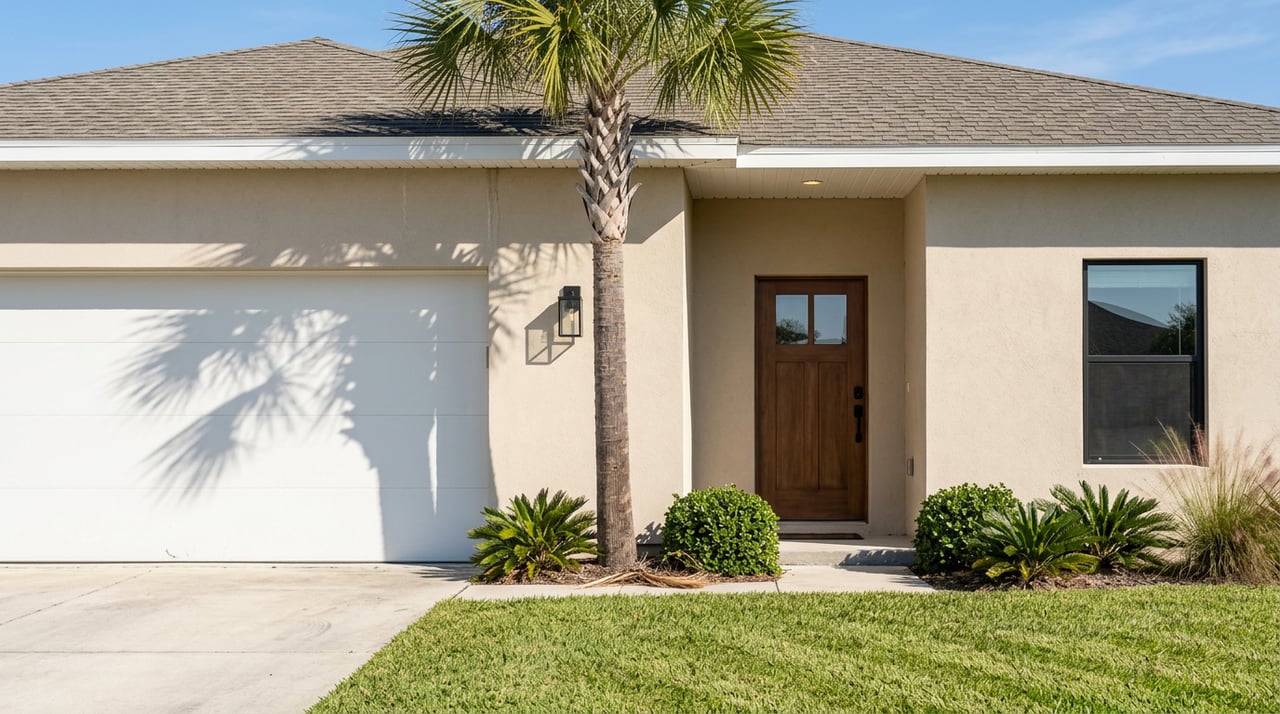
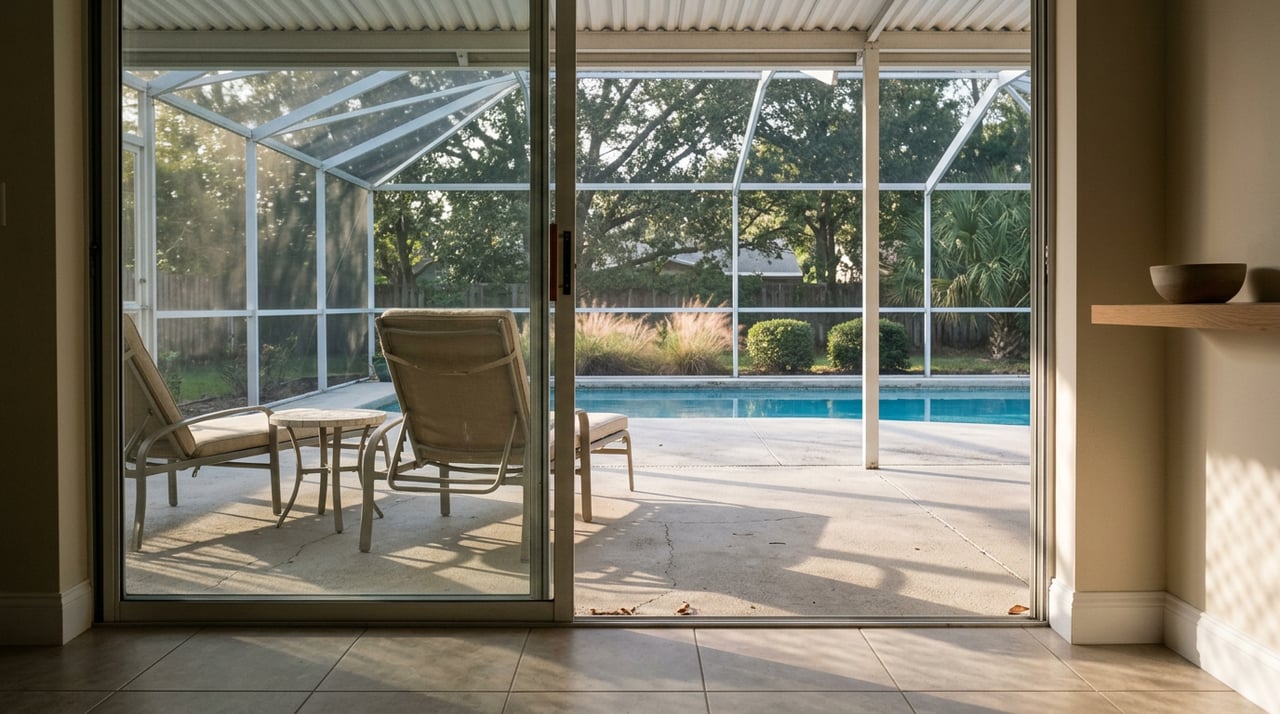
Inland homes typically trade direct water access for larger lots, more vegetation, and simpler upkeep. Both options can be great fits in Citrus County depending on your goals.
Waterfront vs. inland at a glance
| Factor | Waterfront | Inland |
|---|---|---|
| Lifestyle | Direct boat access, fishing, paddling, scenic views, frequent wildlife viewing | Larger yards, room for gardens and projects, quieter streets, less boat traffic |
| Cost of ownership | Premium purchase price, higher flood and wind insurance likely, seawall and dock upkeep | Lower entry price, fewer marine-related repairs, potentially lower insurance depending on location |
| Noise and activity | Seasonal boat traffic and tourism, especially during manatee season | Generally quieter, less seasonal fluctuation |
| Lot size and privacy | Smaller lots in many waterfront areas, close to waterways and neighbors | Often larger lots and more space between homes |
| Regulations | More permitting for docks, seawalls, mangrove trimming, speed zones and sanctuaries | Fewer water-related permits, standard local building rules |
| Insurance and risk | Many parcels in FEMA flood zones, higher storm surge exposure | Property-specific flood checks still required, often lower surge exposure |
| Resale and rentals | Narrower but motivated buyer pool, strong short-term rental appeal if allowed | Larger buyer pool, steady resale based on condition and neighborhood |
Lifestyle and daily use
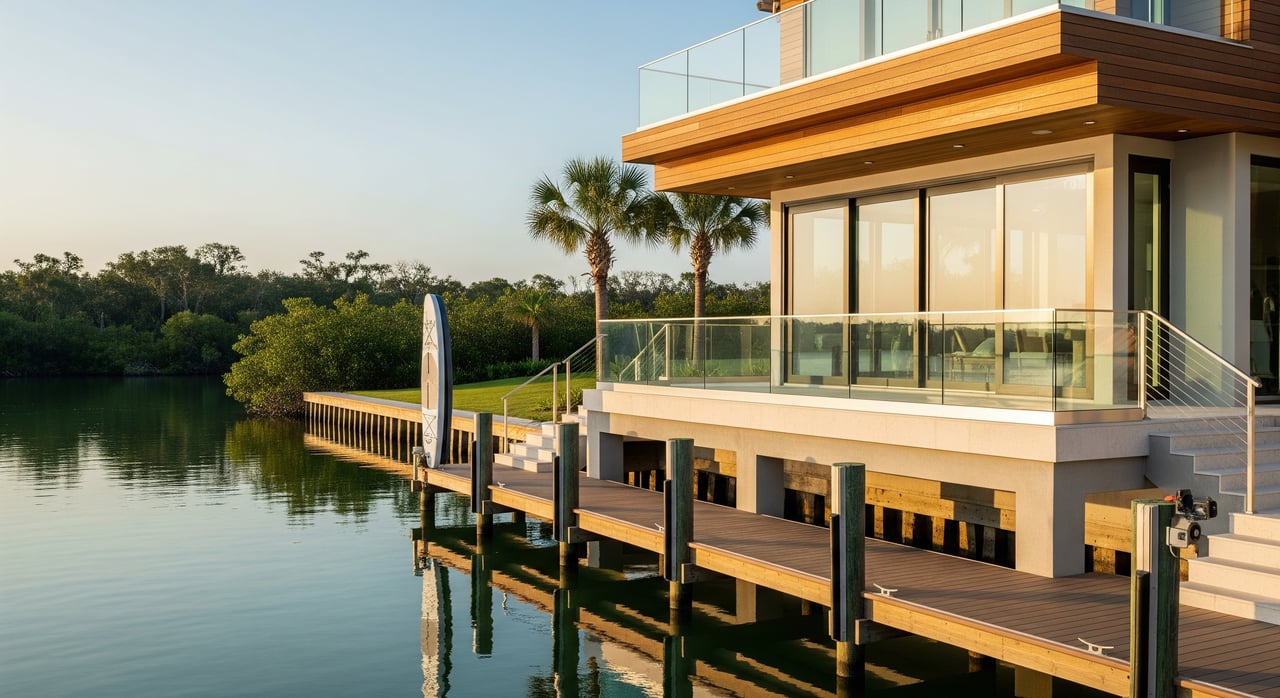
Waterfront living in Crystal River means you can launch a kayak at sunrise, watch birds and manatees from your dock, and head straight to the Gulf. You may also hear tour boats in peak season and see more on-water traffic near sanctuaries. Inland living is calmer and typically more private. You can still reach boat ramps quickly, but your day-to-day routine is not centered on the canal or bay.
If you value frequent water access outside your back door, waterfront is hard to beat. If you want space for a workshop, RV pad, or a bigger garden, inland often delivers better value.
Market and resale insights
Waterfront homes in Crystal River generally carry a price premium over similar inland properties. The premium varies by exact location, water depth and quality, Gulf navigation, view, and the condition of docks or seawalls. Waterfront attracts a focused buyer pool of boaters, anglers, retirees, and investors. Inland homes typically pull a broader buyer base.
If you plan to rent, waterfront listings often command higher nightly rates and occupancy when short-term rentals are allowed. Always confirm zoning, county or city rules, and HOA covenants before buying with rental income in mind.
Insurance and risk essentials
Many waterfront parcels around King’s Bay and along tidal canals fall within FEMA-designated flood zones. Inland parcels can also be in flood zones, so you should verify each address. Use the official FEMA Flood Map Service Center to check flood zones and Base Flood Elevation, and ask the seller for any elevation certificate.
- Flood insurance: If a home with a mortgage is in a high-risk flood zone, lenders typically require coverage through the National Flood Insurance Program or a private policy. Obtain quotes early to understand total monthly costs.
- Wind and hurricane coverage: Florida policies consider roof age, mitigation features, and local exposure. For current market availability and guidelines, consult the Florida Office of Insurance Regulation.
- Financing: Lenders may review dock stability, seawall condition, setbacks, and flood compliance. Plan for inspections and documents early to avoid delays.
Maintenance and infrastructure
Waterfront ownership usually means more ongoing care. Saline air and humidity can corrode marine hardware, and docks, lifts, and seawalls need inspections and periodic repairs. Shoreline erosion control and any changes to bulkheads or natural banks often require permits.
Across Citrus County, many homes still use septic systems. In springsheds, you may see policies or programs that require septic upgrades or sewer connections to protect water quality. Verify the property’s current setup and any planned changes with county utilities and health authorities before you buy.
Inland homes typically avoid seawall and dock costs and may have simpler landscaping needs. However, every property is unique, so complete your inspections either way.
Rules, permits, and manatees
Crystal River includes sensitive manatee habitat with speed zones, sanctuaries, and posted restrictions that influence how and where you can boat or place docks. Review local rules through the Florida Fish and Wildlife Conservation Commission’s manatee protection zones.
For new or modified waterfront structures, multiple agencies may be involved depending on location and activity:
- Citrus County or City of Crystal River for local building and planning approvals and permit history
- Florida Department of Environmental Protection for submerged lands, shoreline work, and mangrove trimming rules
- U.S. Army Corps of Engineers, Jacksonville District for construction in navigable waters
- Southwest Florida Water Management District for certain water resource permits
If a property includes mangroves, understand that trimming or removal requires permits and must follow state guidelines. When in doubt, call before you cut.
Climate and long-term risk
Low-lying coastal areas in Citrus County face long-term risks from sea-level rise, saltwater intrusion, and storm surge. While many homes perform well with proper elevation and storm hardening, it is smart to review parcel-specific exposure when paying a premium for waterfront.
Use the NOAA Sea Level Rise Viewer to explore scenarios and discuss options with qualified inspectors or engineers. Inland properties often have less surge exposure, but always confirm a home’s elevation and drainage.
Buyer due-diligence checklist
Use this step-by-step list to compare two specific homes, one waterfront and one inland.
- Map the flood risk
- Pull the property on the FEMA Flood Map Service Center. Save the zone and Base Flood Elevation and request any elevation certificate.
- Get early insurance quotes
- Ask for flood and wind quotes based on the home’s specifications. Confirm if the lender will require flood coverage.
- Verify permits and history
- Request building, dock, and seawall permit records from the county or city. Confirm final inspections and any open permits.
- Inspect waterfront infrastructure
- Hire a marine contractor to evaluate docks, lifts, seawalls, and shoreline stability. Ask for a written estimate of near-term repairs.
- Confirm utilities and septic
- Determine whether the property is on sewer or septic. If septic, ask about age, capacity, and any springs protection upgrade requirements.
- Review boating and habitat rules
- Check FWC manatee zones and posted local signage to understand speed, no-wake, and no-entry areas that affect daily boating.
- Validate ownership and access
- Clarify whether the property has direct water access, a legal dock, view-only status, or community access. Confirm any submerged land rights or easements.
- Check rental and HOA rules
- Review zoning, county or city ordinances, and HOA covenants for short-term rental allowances and occupancy limits if that is part of your plan.
- Assess long-term exposure
- Use the NOAA Sea Level Rise Viewer to gauge potential future conditions and discuss mitigation options.
- Compare total cost of ownership
- Add up mortgage, taxes, insurance, estimated maintenance, utilities, and any HOA or dock expenses to see the true monthly picture.
Which choice fits your goals
Choose waterfront if you want daily on-water access, scenic value, and are prepared for higher insurance and maintenance, plus additional permits and rules. Choose inland if you want more space, simpler upkeep, a wider buyer pool at resale, and the flexibility to visit the water on your schedule.
Whichever route you take, local due diligence is everything. From flood maps and elevation certificates to dock permits and manatee zones, the best decisions are made with complete information.
Ready to compare specific Crystal River properties side by side and build a clear action plan? Reach out to Jess Stone for local guidance, responsive communication, and a step-by-step strategy that fits your lifestyle and budget.
FAQs
How do I check Crystal River flood zones for a home?
- Use the official FEMA Flood Map Service Center to look up the address, then request any existing elevation certificate from the seller.
Is flood insurance required for Crystal River waterfront homes?
- Lenders typically require flood insurance if the home is in a high-risk flood zone, and it is often recommended elsewhere; obtain quotes early to understand costs.
What counts as “waterfront” in Crystal River property listings?
- Waterfront can mean direct, dockable access on tidal water, a water view without a dock, or community access; confirm deeded rights, dock permits, and navigability before you buy.
Can I add or modify a dock in King’s Bay?
- Most dock or seawall work requires approvals from local authorities, FDEP, and the U.S. Army Corps of Engineers; verify permits and design limits before planning.
How do manatee protection rules affect boating near my property?
- Speed zones, sanctuaries, and no-entry areas are enforced in King’s Bay; review the FWC manatee protection zones and follow posted signs on the water.
Are short-term rentals allowed for Crystal River waterfront homes?
- It depends on zoning, county or city ordinances, and HOA covenants; review the rules and licensing steps before purchasing with rental income in mind.
How can I check assessments and tax history on a Crystal River property?
- Search the parcel on the Citrus County Property Appraiser to review ownership details, assessments, and tax history.
Will sea-level rise affect Crystal River waterfront values over time?
- Long-term exposure varies by elevation and location; explore scenarios in the NOAA Sea Level Rise Viewer and consider elevation, drainage, and mitigation when evaluating value.