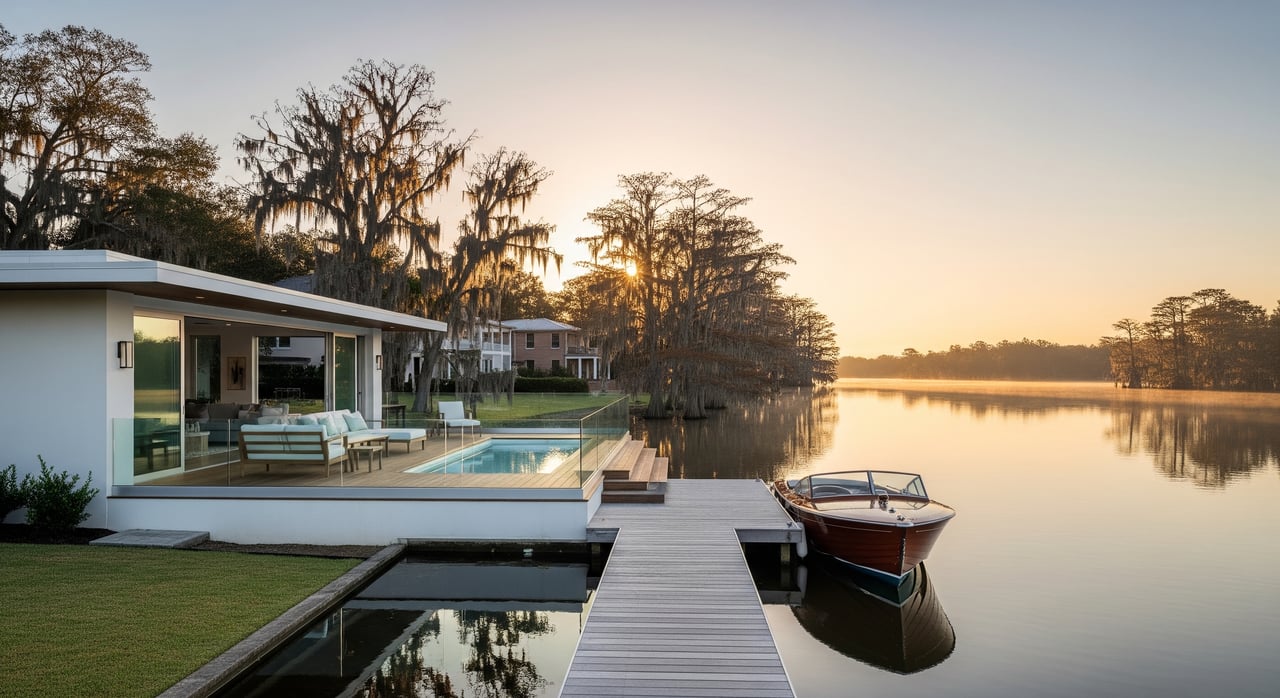
Do you picture mornings on a dock with coffee and quiet water, or quick walks to restaurants and errands after work? If you are deciding between lakefront life near Lake Panasoffkee and an in-town home in Inverness, you are not alone. Both options sit in the same general region but offer very different rhythms, responsibilities, and long-term considerations. In this guide, you will learn how the lifestyles compare, what costs to plan for, and which due-diligence steps help you buy with confidence. Let’s dive in.
In-town Inverness at a glance
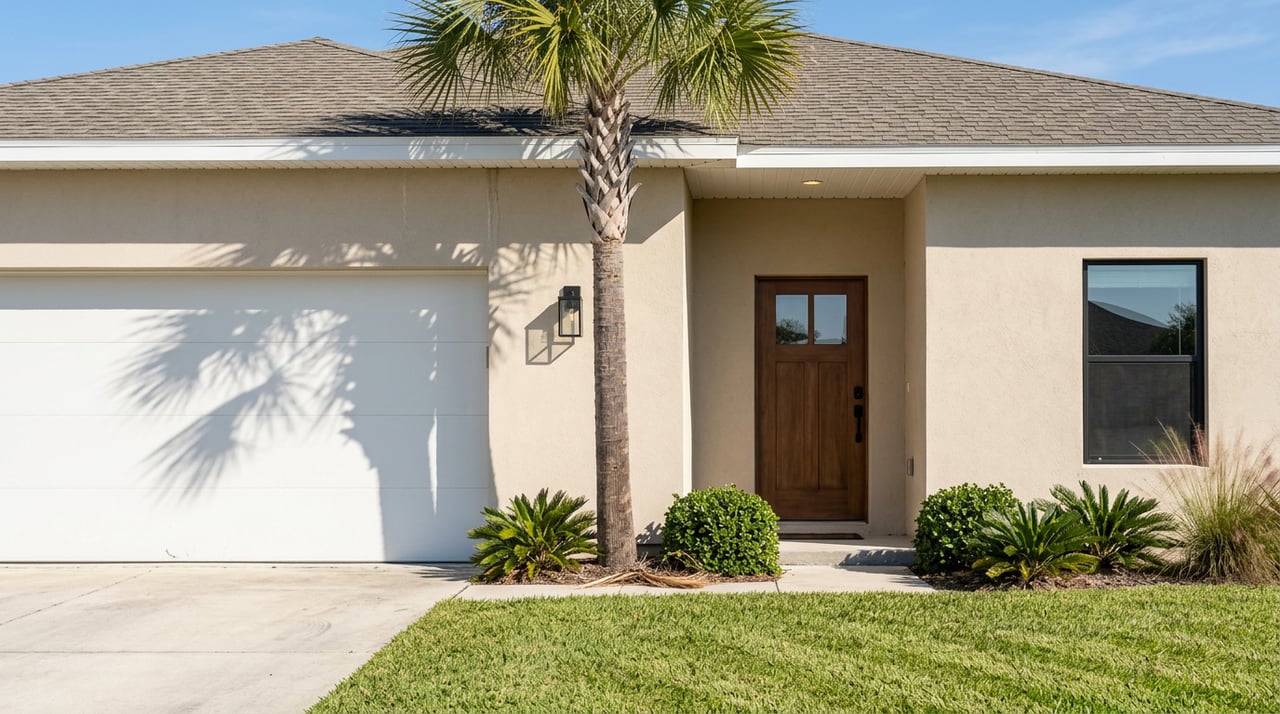
Inverness is the county seat of Citrus County with a compact downtown, local services, and established neighborhoods near the city center and the Withlacoochee River and Tsala Apopka lakes system. You will find modest single-story homes, some historic houses near downtown, townhomes, and small-lot subdivisions.
Living here leans into convenience. Many areas have municipal water and sewer, predictable trash services, and shorter drives to grocery, healthcare, and government offices. You can enjoy parks, festivals, and errands by bike or foot in certain neighborhoods.
Buyers often like in-town Inverness for walkability, municipal utilities, and simpler permitting for renovations. The buyer pool is broad, which can help future resale.
Lakefront living around Lake Panasoffkee
Lake Panasoffkee sits in nearby Sumter County. It is one of the region’s larger inland lakes and a popular option for buyers who want direct water access. Typical properties include single-family homes with private docks, ranch-style or raised homes, custom cottages, and some manufactured homes set on lake lots.
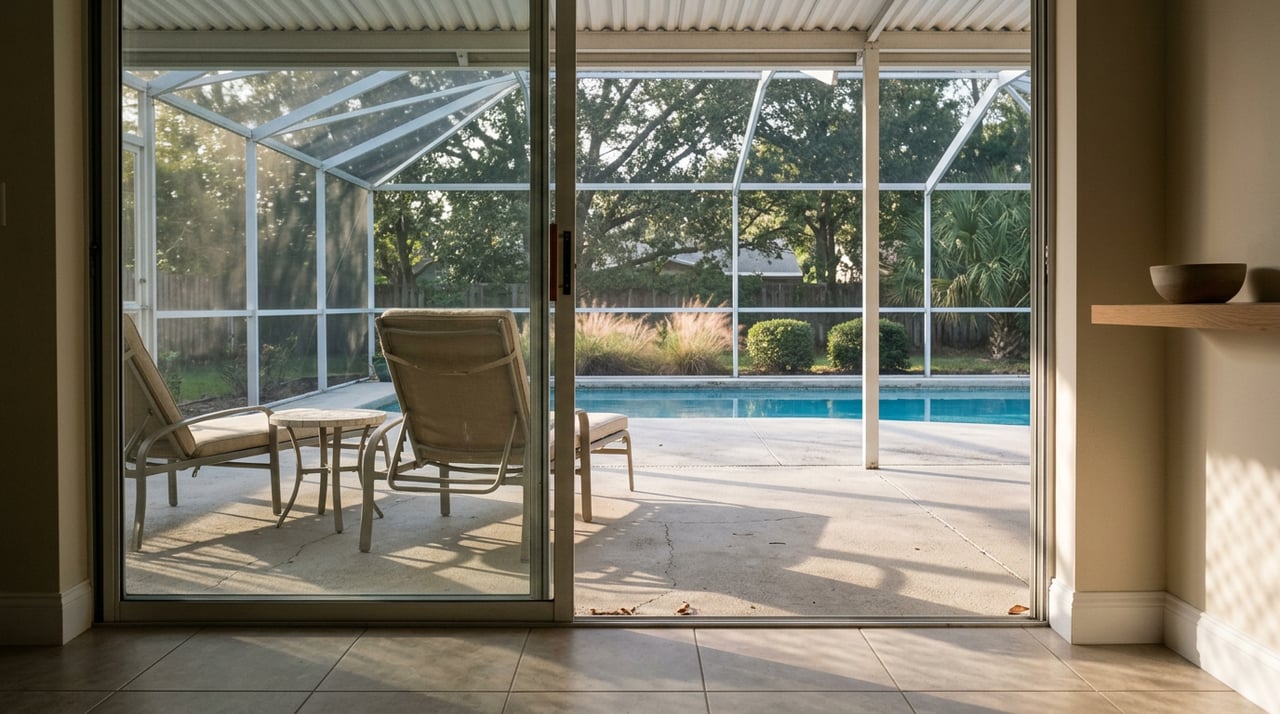
Lots are often larger than in town, and many homes feature docks, boathouses, or seawalls where permitted. Expect more outdoor living space and water views. Daily life leans into boating, fishing, kayaking, and sunsets.
Privacy can be strong, yet you may notice seasonal boat activity and occasional lake-related nuisances like algae or aquatic vegetation. Inventory is limited along the shoreline, and waterfront frontage usually carries a price premium versus similar non-waterfront homes nearby.
Counties, lines, and logistics that matter
In-town Inverness is in Citrus County. Lake Panasoffkee is in Sumter County. Different counties can mean different rules, taxes, utilities, and school assignments. Before you fall in love with a property, note the county and city boundaries so you understand permitting processes, utility providers, and potential assessments.
Commutes vary by exact address. Many residents use Inverness as a base while commuting to larger job centers, and drive times to Tampa or Orlando can exceed an hour depending on route and traffic. Always map your likely commute from the specific property and test it during real drive times.
Costs and premiums to expect
Waterfront homes in many U.S. lake markets sell at a premium. Industry reports commonly show a range of roughly 20 to 50 percent compared with similar non-waterfront properties. The actual premium depends on frontage, dock rights, lake quality, flood risk, and demand on that specific shoreline. In smaller Florida lake markets, pricing can vary widely by frontage and lot specifics.
Ongoing costs can be higher for lakefront homes. Budget for dock upkeep, seawall maintenance, shoreline erosion control, and landscaping that is exposed to lakeside conditions. Insects and mosquitoes may require extra management, especially in warm months.
Florida’s homeowners insurance market has seen volatility in recent years. Waterfront and water-exposed properties can face higher premiums or more restrictive underwriting. Get homeowners and flood insurance quotes early in your shopping process so you know your total monthly cost.
Flood, insurance, and risk checks
Waterfront and near-lake properties are more likely to fall within FEMA flood zones. Lenders often require flood insurance if a home is in a high-risk zone. Before making an offer, confirm the property’s FEMA flood-zone designation and ask an insurance broker to quote flood coverage that reflects the home’s features and elevation. A certified survey may be helpful to clarify risk and potential costs.
Flood insurance premiums and availability can change as maps, rules, and underwriting evolve. Align your home choice with a realistic budget and your personal risk comfort.
Utilities and services: what to confirm
In many parts of in-town Inverness, municipal water and sewer are available. Trash and yard services are usually straightforward, and emergency response times may be shorter.
Lakefront homes outside city limits often use private wells and septic systems. You should confirm the system type, age, service records, and any recent repairs or pump-outs. A septic inspection is important. If a sewer connection is available or planned, ask the county about timing and any assessments.
For remote workers, verify cell coverage and wired broadband options at the specific address. Rural areas can have limited wired internet choices. If healthcare access matters to you, note the distance to Inverness medical services and hospital, and plan emergency routes in areas with flood-prone roads.
Permits, water quality, and shoreline rules
Dock, boat lift, boathouse, and seawall work often requires permits. The permitting landscape can include county building divisions, the Florida Department of Environmental Protection, and the relevant Water Management District, which in this region is often the Southwest Florida Water Management District. For certain projects, the U.S. Army Corps of Engineers may also be involved.
Always verify whether an existing dock is permitted and whether the property carries recorded riparian or deeded dock rights. Get this documentation before closing.
Florida lakes can experience cyanobacteria (algal blooms), invasive vegetation, and changing water clarity. To understand a lake’s history, check recent water-quality advisories, talk to local lake associations if available, and ask neighbors and marinas about seasonal conditions. Shoreline buffers and wildlife protections can limit how much you can alter the lake edge. Build those constraints into your improvement plans.
Lifestyle tradeoffs day to day
- Recreation and leisure: Lakefront life is about boating, fishing, paddling, and sunsets on the dock. In-town living favors easy access to dining, shops, parks, and community events without a long drive.
- Privacy and noise: Waterfront homes often enjoy wider views and fewer street neighbors, but you may hear boat traffic on weekends and holidays. In town, you may hear street activity, yet daily patterns are more predictable.
- Maintenance habits: Lakefront ownership includes shoreline care and dock or seawall upkeep. In town, you are less exposed to water-related repairs and may benefit from simpler municipal services.
Resale and buyer pool
Waterfront homes can command strong per-foot values due to scarce frontage and lifestyle appeal. The buyer pool can be narrower because not everyone wants waterfront maintenance or higher insurance. Seasonality may influence showing traffic.
In-town homes often appeal to a wider market that includes local families, commuters, and downsizers who prioritize convenience. That broader demand can support steady resale prospects. For clarity on pricing and timing, compare days on market and price per square foot between waterfront and in-town comps from recent MLS data.
Showing-day checklist
Use this quick list as your real-world quest log when you tour homes. Bring it for both lakefront and in-town options.
- Confirm the county and city boundaries. Note Citrus vs Sumter for taxes, permitting, and utilities.
- Map commute times from the address to your job, school, and key errands during actual drive hours.
- Review the FEMA flood map for the property and request flood insurance quotes.
- Ask for homeowners insurance quotes early, especially for waterfront or older homes.
- Verify water and sewer status. If on well and septic, order a septic inspection and water quality test, and review service records.
- Check dock, boathouse, boat lift, ramp, and seawall permits. Confirm riparian or deeded dock rights in writing.
- Walk the shoreline for erosion, vegetation, and structural condition of any waterfront features.
- Ask about HOA or special district fees for lake access, ramps, or shoreline maintenance.
- Visit at different times to gauge boat activity, street noise, and night lighting.
- Test cell coverage and confirm wired broadband options.
- Pull parcel history and assessed values from the Citrus County or Sumter County Property Appraiser.
- Check building, septic, and shoreline permits with the Citrus County or Sumter County Building Division and related state agencies.
How to choose what fits you
Start with your non-negotiables. If daily water access and open views are your top priority, and you are comfortable with the added maintenance and insurance planning, lakefront living near Lake Panasoffkee may be your best fit. If you want walkable errands, municipal utilities, and quick access to services and community events, in-town Inverness could be the better match.
Next, align your budget with reality. Price the waterfront premium using recent comps. Estimate insurance and flood coverage. Add a maintenance line for docks and shoreline work if needed. Then decide how much convenience matters, including your commute and healthcare access.
Finally, test the lifestyle. Schedule back-to-back tours of a lakefront home and an in-town home on the same day. Drive your likely routes, visit the grocery, and grab a bite downtown. Stand on the dock at dusk and walk a quiet Inverness street at sunset. Your choice should feel as good as it looks on paper.
Ready to compare real homes and numbers side by side? Let’s line up showings, gather your insurance and septic answers, and confirm permits so you can choose with confidence. If you want a clear plan from an agent who knows both sides of this market, reach out to Jess Stone and let’s get started.
FAQs
What is the price difference between lakefront and in-town homes near Inverness?
- Waterfront properties commonly carry a premium of about 20 to 50 percent over similar non-waterfront homes, but the actual difference depends on frontage, dock rights, flood risk, and local demand.
Do Lake Panasoffkee homes require flood insurance?
- Many waterfront and near-lake parcels fall within FEMA flood zones where lenders require flood insurance, so check the property’s zone and get a quote early.
What inspections should I order for a waterfront home?
- Plan on a septic inspection and water test if the home uses well and septic, verify dock and seawall permits, and confirm flood-zone status and insurance quotes before you commit.
Can I build or repair a dock on Lake Panasoffkee?
- Dock, lift, boathouse, and seawall work often requires permits from county building divisions and state water agencies, so always verify approvals and recorded rights.
How does resale compare for waterfront versus in-town homes?
- Waterfront can deliver strong per-foot values but has a narrower buyer pool, while in-town homes appeal to a broader market that prioritizes convenience.
Will a lakefront home have city water and sewer?
- Many lakefront properties outside city limits use private well and septic systems, so confirm utility type and any planned sewer expansions with the county.