Dreaming of a little slice of Florida where you can spread out, garden, maybe keep a few animals, and still be close to lakes and trails? Floral City offers that quiet, rural feel many buyers want, along with unique due diligence you should complete before you buy. In this guide, you’ll learn the key checks for zoning, access, wells and septic, wetlands and flood zones, utilities, financing, and more. You’ll also get a practical step-by-step checklist to move from first look to closing with confidence. Let’s dive in.
Why Floral City acreage works
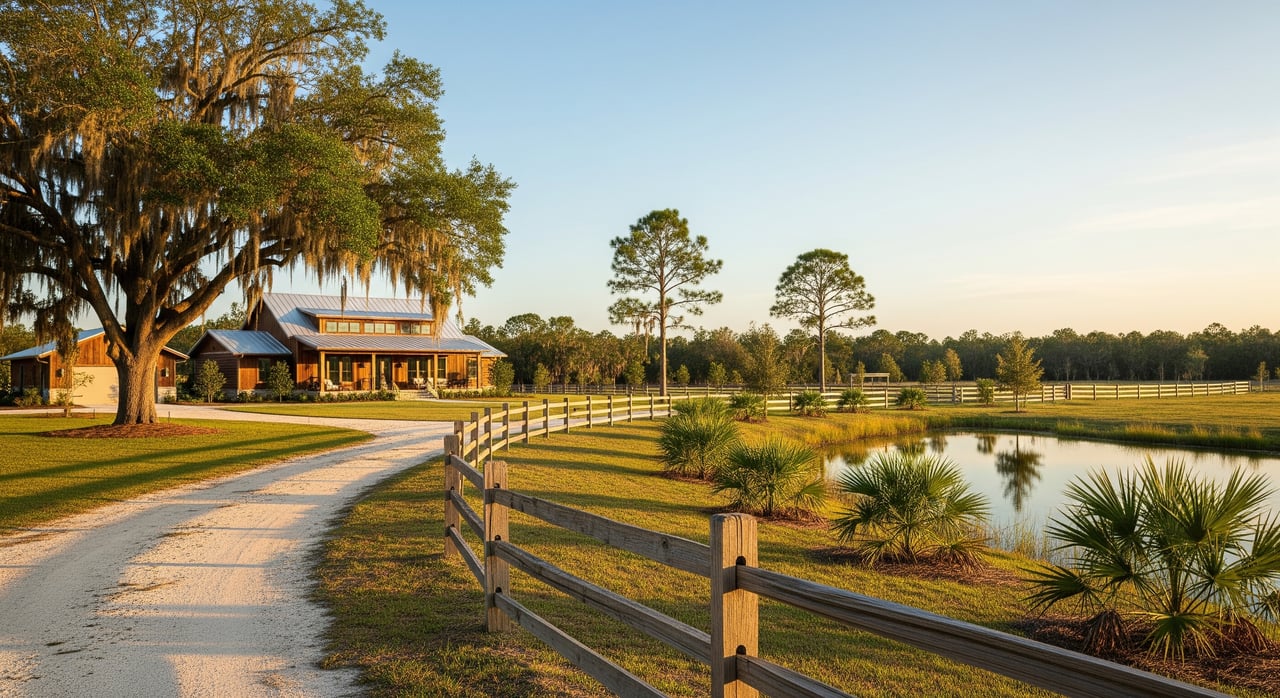
Floral City sits in a rural part of Citrus County known for citrus history, natural water resources, and access to outdoor recreation. Small-acreage parcels often support rural residential living, hobby farming, horses, or simple privacy. You trade suburban convenience for space, quiet, and a closer connection to nature.
That rural charm comes with extra homework. Parcels are shaped by county zoning and state and regional environmental rules. Doing the right checks up front keeps your project timeline on track and helps you avoid surprise costs.
Zoning and allowed uses
Zoning is your rulebook. It controls permitted uses, minimum lot size, setbacks, accessory structures, and whether you can subdivide. You should verify the parcel’s current zoning and its Future Land Use designation with Citrus County Growth Management.
If you plan to keep horses, add an accessory dwelling, or build a large shop, confirm those uses are allowed on your specific zoning. Also ask the County Clerk for any recorded covenants or deed restrictions, since private rules can be stricter than county code.
Access, roads, and easements
Confirm how you legally reach the property. Does it front a county-maintained public road or rely on a private road or easement? Private roads can require ongoing maintenance, so understand who pays and how it is documented.
Ask for any recorded ingress and egress easements, shared driveway agreements, or utility easements. If you plan a new driveway or need a culvert, check permit requirements with the county before you budget or build.
Utilities and broadband
Rural parcels often need a mix of private and public utilities. Map out each service early so you know true costs and timelines.
Power and service distance
Many areas have nearby electric lines, but extending service across distance can add cost. Contact local utility providers and request estimates to extend lines if needed.
Wells and drinking water
Most small-acreage homes in Floral City use private wells. Confirm if a well exists, whether there is a well permit, and the well’s condition. New wells must meet permitting and setback standards. If you need irrigation beyond basic domestic use, ask about water-use rules before you invest in equipment.
Septic systems and soils
On-site septic is the norm. The Citrus County Health Department oversees septic permits and requires a soil or site evaluation to determine system design. Soil type and drainage strongly influence feasibility and cost, so schedule this early in your inspection period.
Broadband and communications
Internet availability varies. Some parcels rely on fixed wireless, cellular hot spots, or satellite when wired service is limited. Check FCC service maps and local providers before you commit if remote work or streaming is essential.
Fuel and gas options
If natural gas is unavailable, many rural homes use propane for heating, cooking, or backup generators. Plan for tank placement and delivery access.
Soils and site suitability
Soils guide septic design, building feasibility, and drainage planning. Review soils through tools like the USDA NRCS Web Soil Survey and confirm with any county-required septic soil evaluation.
Consider topography and drainage, especially on low sites. If you plan heavier structures or have concerns about subsurface conditions, a geotechnical review can provide added confidence. In parts of Florida where karst is present, some buyers also consider sinkhole assessments.
Flooding, wetlands, permits
Water is a defining feature around Floral City’s rivers, lakes, and wetlands. Start by checking FEMA Flood Insurance Rate Maps to see if the parcel includes Special Flood Hazard Areas and whether flood insurance might be required by a lender.
Freshwater wetlands are common inland. If you plan to build near potential wetlands or change drainage, you may need permits. Southwest Florida Water Management District and state or federal agencies can have jurisdiction. A professional wetland delineation can clarify boundaries and help you avoid delays.
If your parcel borders a river, stream, lake, or spring, ask about additional buffers or setbacks that could affect your site plan.
Water use and irrigation
Typical domestic wells cover household needs. Significant irrigation or any commercial agriculture may require water-use permitting through the regional water management district. Confirm thresholds and application steps before purchasing pumps, lines, or planting acreage.
Fire services and safety
Rural response times can influence insurance costs. Ask Citrus County Fire Rescue or your local district about station distance and coverage. Consider creating defensible space and managing brush around structures for safety and peace of mind.
Agriculture and taxes
Florida offers an agricultural classification that can significantly reduce assessed value for bona fide agricultural use. The Citrus County Property Appraiser sets requirements and reviews applications. If you change the use later, you may face rollback taxes, so evaluate the long-term plan.
If timber rights or a timber agreement exist, review those terms because they can affect your use timeline and value. Conservation easements also limit future development, so read recorded documents closely.
Title, survey, and legal checks
Order a current boundary survey to confirm lot lines, corners, and any encroachments. A title commitment will reveal recorded easements, covenants, and liens. If the parcel shares a well, septic, or driveway, make sure maintenance agreements are recorded and clear.
Title insurance is a prudent layer of protection. A Florida-licensed real estate attorney or experienced title company can help interpret complex documents.
Financing and insurance
Vacant land and small-acreage parcels are financed differently than standard homes. Expect larger down payments and different underwriting for land or construction loans. If you are buying a home with acreage, a conventional mortgage may be available, and some rural purchases may qualify for USDA programs depending on eligibility.
Budget for insurance types that fit the property: homeowners coverage, wind and hurricane coverage, and flood insurance if required or desired based on risk. Distance to fire services and rural location can affect premiums. If you plan to keep animals or host activities on the land, ask about additional liability options.
Step-by-step due diligence
Use this sequence to reduce surprises and keep your timeline on track.
Before making an offer
- Verify ownership and check for liens in county property records.
- Confirm zoning and allowable uses with Citrus County Growth Management.
- Confirm legal access, road type, and any private road maintenance obligations.
- Review FEMA flood maps for the parcel and note insurance implications.
- Do a preliminary utility check for power, water, septic, and broadband options.
- Ask the seller for surveys, well and septic records, and any environmental reports.
After your offer is accepted
- Order a current boundary survey and review any encroachments.
- Obtain a title commitment and review recorded easements and restrictions.
- Schedule a county-required septic soil or site evaluation for system design.
- Inspect any existing well and confirm permitting and condition.
- If wetlands are possible, order a wetland delineation and consult regulators as needed.
- Consider a geotechnical or sinkhole assessment if you have site concerns.
- Get quotes for utility line extensions or service upgrades.
Permits and approvals before building
- Secure septic permits and final system design from the county.
- Obtain a well permit if drilling a new well.
- Submit building permits and site plans to the county.
- Apply for any water management or environmental permits if wetlands or large withdrawals are involved.
- Request driveway and culvert permits if required.
Financing and insurance
- Confirm lender requirements for appraisal, survey, and contingencies.
- Compare loan types: conventional, land loans, construction loans, and USDA if eligible.
- Gather homeowners and flood insurance quotes early to set an accurate budget.
- Elect title insurance and plan for escrow items.
Closing tasks
- Complete a final walk-through to verify agreed conditions.
- Confirm you are satisfied with recorded easements and covenants.
- Ensure any shared-resource agreements are recorded and enforceable.
Lifestyle and resale tips
Check drive times to grocery stores, medical services, and employment hubs so your daily routine works for you. Broadband access can affect both your lifestyle and resale, so verify options before you commit.
Improvements that serve a niche, such as extensive animal facilities, attract a specific buyer pool. Build what you will use and enjoy, but keep long-term marketability in mind. Plan projects around Florida’s rainy and hurricane seasons to protect your schedule and your site.
Your next step
Buying small acreage in Floral City can be deeply rewarding when you match your vision to the land’s real-world rules. With the right zoning checks, utility planning, and environmental due diligence, you can move forward with clarity and fewer surprises. If you want a local guide who can help you sequence the steps, line up trusted vendors, and negotiate with confidence, reach out to Jess Stone. Let’s map your move and make it happen.
FAQs
Can I keep horses on 1 to 3 acres in Floral City?
- Often yes, but you must verify zoning, setback rules, and any animal-related ordinances with Citrus County. Private covenants may also apply.
Will I need a septic system on rural acreage?
- Most small-acreage parcels use on-site septic. The county requires a soil or site evaluation and an approved design before installation.
How do I know if a parcel has wetlands?
- Start with soils and mapping tools, then hire a wetlands professional if indicators are present. Confirm permit needs with the regional water management district and relevant agencies.
Are agricultural tax breaks available in Citrus County?
- Florida offers an agricultural classification for bona fide agricultural use. The Citrus County Property Appraiser sets eligibility rules and can explain potential rollback taxes if the use changes.
What should I check about flood risk before I buy?
- Review FEMA flood maps for zone designations, ask your lender about required flood insurance, and consider an elevation-focused site plan if any portion is in a flood zone.