Thinking about swapping city noise for spring-fed weekends and a slower pace? If Lecanto is on your radar, you’re not alone. Many buyers come for the Nature Coast lifestyle, more space, and approachable housing options. In this guide, you’ll get a clear picture of daily life, housing costs, schools, utilities, hazards, and a practical moving checklist to help you decide with confidence. Let’s dive in.
Where Lecanto fits in Citrus County
Lecanto sits inland on Florida’s Nature Coast in Citrus County, close to Crystal River and Inverness. The setting feels semi-rural to suburban, with neighborhoods, manufactured-home communities, and acreage properties.
You’ll find easy access to outdoor fun. Popular options include freshwater springs, manatee viewing and boating near Crystal River, the Withlacoochee State Trail, and Gulf fishing and beaches. Local amenities are smaller scale than big cities, with county parks, community events, and everyday dining and retail.
The population mix reflects Citrus County as a whole. You’ll meet retirees, year-round residents who work locally or commute to nearby towns, and seasonal residents who return each winter.
Housing types and what to expect
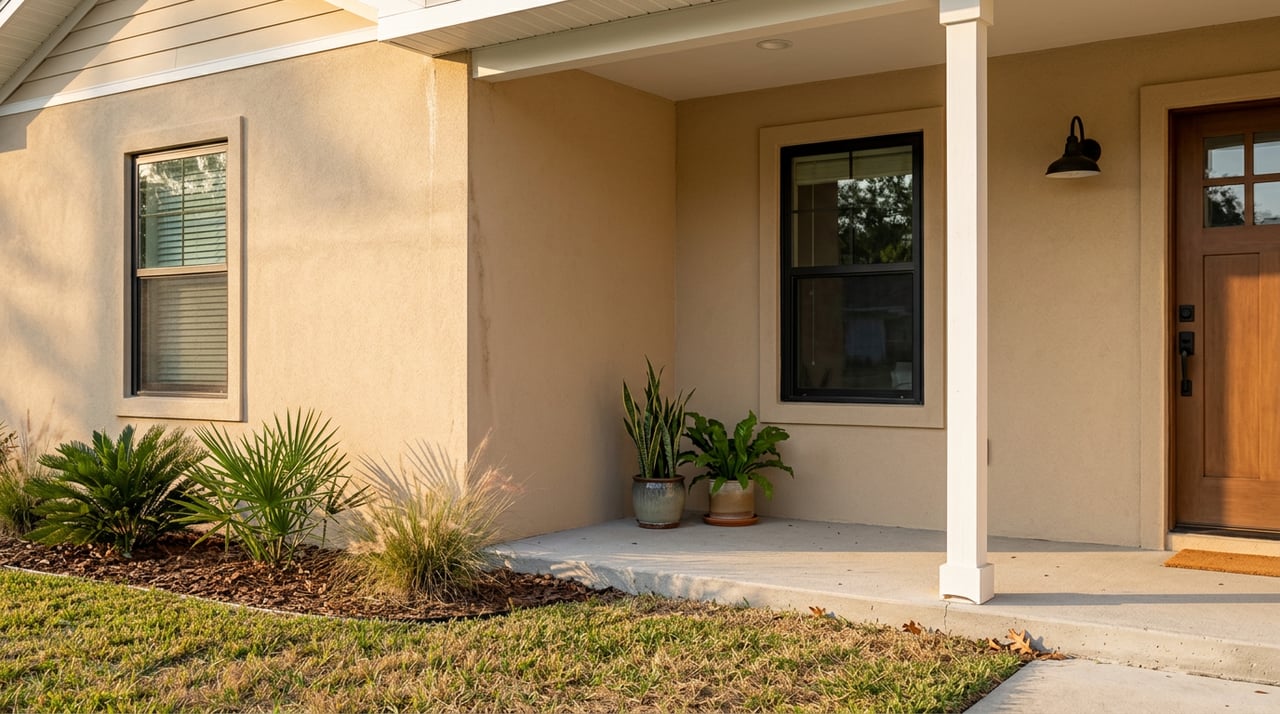
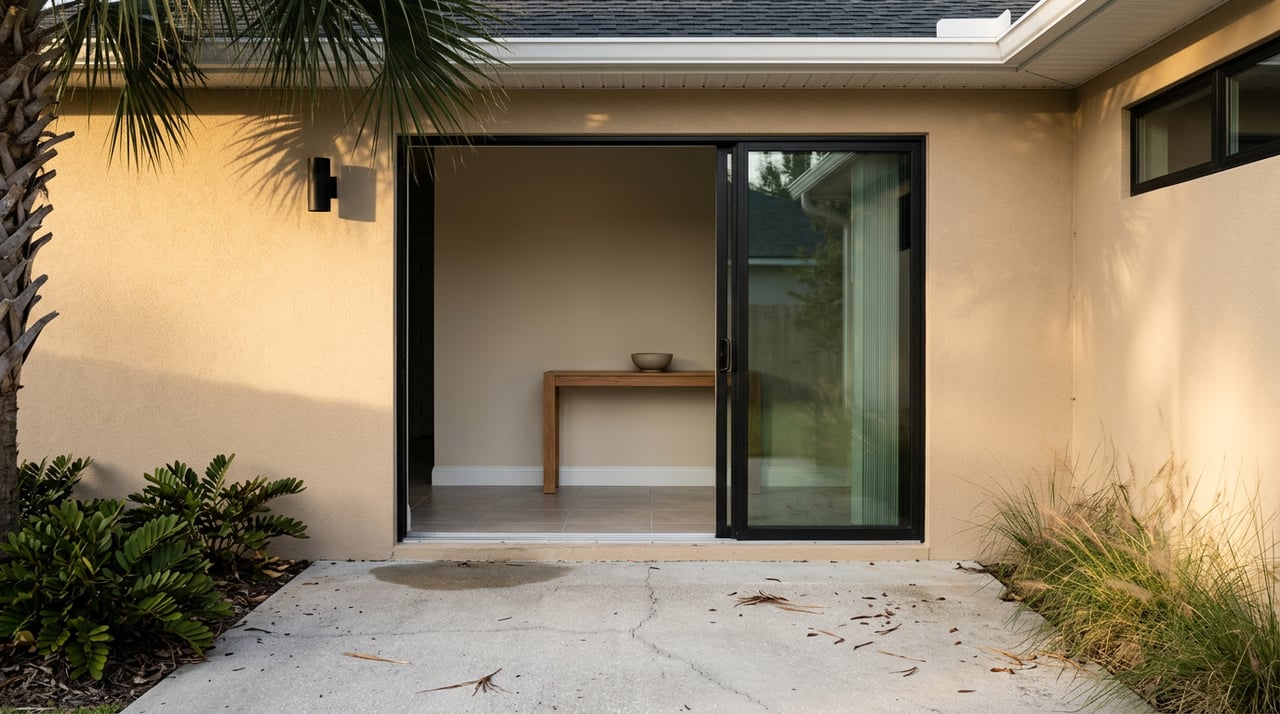
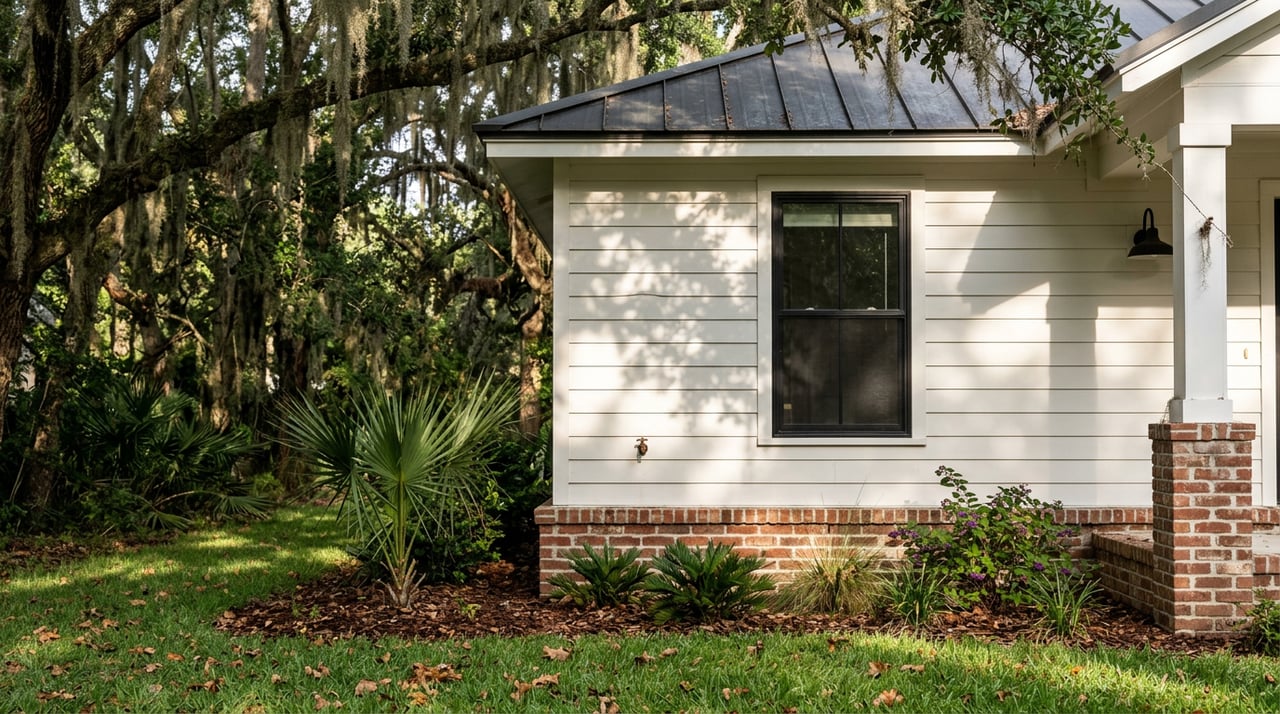
Most homes in Lecanto are single-family, including newer subdivisions and older ranch-style properties. Manufactured and mobile homes are common, as are rural parcels with larger lots. Many homes are single-story and built for year-round or seasonal living.
New construction exists but is not as dense as Tampa or Orlando suburbs. You’ll see a range of home ages and conditions, so budget for inspections and possible updates.
Affordability and monthly costs
Florida has no state personal income tax, which can help with overall cost of living. Housing-related costs to review closely include:
- Property taxes. Taxes are assessed at the county level. A homestead exemption may reduce taxes for qualifying primary residents. Ask for a recent tax bill when you tour homes.
- Homeowners insurance. Wind and hurricane risk influences premiums, and policies often have separate hurricane or windstorm deductibles. Get insurance quotes early in your search.
- Flood insurance. Lenders require it if the property lies in a FEMA Special Flood Hazard Area. Even homes outside mapped zones can face localized flooding; many buyers choose coverage for added peace of mind.
- Utilities. Some rural properties rely on private wells and septic systems. Factor in maintenance, inspections, and possible future upgrades. In subdivisions, confirm whether water and sewer are county-run.
Resale and value drivers
Resale tends to reflect proximity to amenities, lot size, home condition, and perceived risk. Features that can support value include hurricane-resilient construction and a favorable flood-risk profile. Mobile/manufactured homes and septic-reliant properties can have narrower buyer pools, which may affect time on market.
Local development and infrastructure plans also shape demand. If you are buying for long-term hold or investment, review current county planning and permit activity and ask about nearby projects.
Schools and education options
Public schools are managed by the Citrus County School District, and Lecanto is home to local campuses, including Lecanto High School and feeder schools. Because assignments and boundaries can change, verify your specific address with the district before you buy.
The county offers private and charter options, though choices are more limited than in larger metro areas. For objective information, review official school performance data from the Florida Department of Education.
Utilities, internet, and local services
Utility access varies by neighborhood and acreage. Electricity is provided by area utilities that depend on location. Water and sewer are available in many subdivisions; rural parcels may use private well and septic systems.
Internet speeds can differ by street. Some pockets have fiber or cable, while others rely on DSL, fixed wireless, or satellite. If you work from home, confirm provider options and speeds during your inspection period.
Trash and recycling services are coordinated at the county level. Ask for current pickup schedules, fees, and drop-off locations when you set up other utilities.
Permits, zoning, and due diligence
Citrus County oversees building permits, zoning and land use, setbacks, and environmental rules for floodplains and wetlands. If you plan to build or renovate, confirm allowable uses and any HOA or covenant restrictions.
Septic and well systems follow county and state health regulations. If a property uses a septic tank, request a recent pump and inspection, and ask for records of any repairs or replacements.
Buying land? Verify access, utility availability, driveway permits, and any environmental constraints before you close.
Healthcare and emergency services
Lecanto and nearby towns host primary care offices, urgent care clinics, and hospitals that serve the county. For certain specialties, residents often travel to larger regional centers.
Law enforcement is provided by the Citrus County Sheriff’s Office, with fire and rescue coverage across local districts. In rural areas, response times can vary, so it helps to map your nearest station and route.
Before you move, confirm your health plan’s provider networks and whether local offices accept Medicare or Medicaid if you need those options.
Transportation and commuting
Most households rely on private vehicles. Major roads connect Lecanto to Crystal River, Inverness, and nearby counties. Commuting to larger metro job centers, such as Tampa or Orlando, typically takes an hour or more depending on traffic and destination.
Public transit is limited. If you need scheduled service or transportation assistance, research county offerings and eligibility.
For travel, the nearest commercial airports are in the Tampa and Orlando areas. Plan for drive time and parking when booking flights.
Weather, hazards, and insurance
Lecanto has a humid subtropical climate with hot, humid summers and mild winters. Expect a rainy season in summer and early fall, frequent afternoon thunderstorms, and plenty of mosquitoes when it is warm. Screened porches and good yard maintenance help.
Hurricane season runs from June 1 to November 30. While Lecanto is inland, tropical systems can bring strong winds, heavy rain, and localized flooding. Review FEMA flood maps, check local floodplain guidance, and learn your evacuation zone.
Insurance planning is essential. Many policies include separate hurricane deductibles. Flood insurance is required by lenders in mapped flood zones and is available through the National Flood Insurance Program and private carriers. Ask about wind mitigation features like roof-to-wall straps, impact protection, and updated roofs, which may reduce premiums.
Local lifestyle highlights
If you love the outdoors, Lecanto puts you close to springs, rivers, and Gulf access without the bustle of a big city. Popular pastimes include boating and kayaking near Crystal River, cycling or walking the Withlacoochee State Trail, fishing local waters, and exploring county parks.
Dining and shopping options are practical and local, with larger selections in nearby towns. You will also find community events and seasonal festivals that add small-town charm to your calendar.
Your Lecanto moving checklist
Use this local-first list to move with confidence:
- Confirm whether the property lies in a FEMA flood zone and whether your lender will require flood insurance.
- Obtain homeowners and flood insurance quotes early, and ask about wind mitigation discounts.
- Request the property’s tax history and ask about homestead exemption eligibility for your primary residence.
- Verify whether the home connects to county water and sewer or relies on private well and septic.
- Order professional septic and well inspections; request recent pump records and a water-quality test.
- Confirm internet providers and speeds at the specific address if you work or stream from home.
- Verify school assignments with the Citrus County School District for your exact property address.
- Review zoning, setbacks, wetlands, and any HOA or covenant rules before renovations or land purchases.
- Map your nearest hospital, urgent care, and emergency shelter; learn your evacuation zone and routes.
- Prepare a hurricane season kit with water, food, medications, batteries, and a power plan.
- Check for open or expired building permits and gather maintenance records for roofs, HVAC, and septic.
Final thoughts
Relocating to Lecanto can deliver more room to breathe, easy access to nature, and a practical cost profile. The tradeoffs are fewer big-city amenities, varied internet availability in rural pockets, and the need to plan for storms. With the right prep, you can land in a home that fits your lifestyle and budget.
If you want a local guide to help you compare neighborhoods, confirm utilities, and coordinate inspections, reach out to Jess Stone. From virtual tours to vendor referrals and contract strategy, we make your move feel guided and stress-light. Ready to Join the Guild?
FAQs
What is Lecanto like compared to Crystal River and Inverness?
- Lecanto is more inland and semi-rural to suburban, with quick access to outdoor recreation. Crystal River and Inverness offer more concentrated retail and dining hubs, while Lecanto provides a quieter, space-forward feel.
Do I need flood insurance for a Lecanto home?
- Lenders require it if your property is in a mapped Special Flood Hazard Area. Even if it is not required, many buyers choose coverage due to localized flooding risk from heavy rain.
How are utilities handled for rural Lecanto properties?
- Many rural parcels use private wells and septic systems. Plan for inspections, ongoing maintenance, and potential upgrades. In subdivisions, confirm whether county water and sewer serve the home.
What schools serve Lecanto and how do I verify assignments?
- Public schools are part of the Citrus County School District. Verify your specific address with the district, and review Florida Department of Education reports for objective performance data.
How long is the commute to Tampa or Orlando from Lecanto?
- Commutes to larger metro job centers typically take an hour or more depending on traffic, route, and destination. Most households rely on private vehicles.
How can I estimate property taxes on a Lecanto home?
- Ask for the most recent tax bill and confirm millage with the county. If the home will be your primary residence, ask about homestead exemption and how it may affect your future tax bill.