Trying to choose between a home with history and a home with brand-new finishes? In Brooksville, that is a real fork in the road. You are not just picking a house style here. You are choosing between two very different ways of living, maintaining, and enjoying your home. This guide will help you compare Brooksville’s historic core with its newer communities so you can decide which path fits your goals best. Let’s dive in.
Brooksville Gives You Two Distinct Lifestyles
Brooksville stands out because it offers both a preserved historic setting and a growing new-construction market. On one side, you have the downtown area and preservation resources tied to the city’s historic core. On the other, you have newer communities built around modern floorplans, updated systems, and neighborhood amenities.
That means your decision is about more than curb appeal. It affects your maintenance expectations, renovation flexibility, commute patterns, and even the kind of lot and street layout you will live in.
Historic Brooksville: What You’re Really Buying
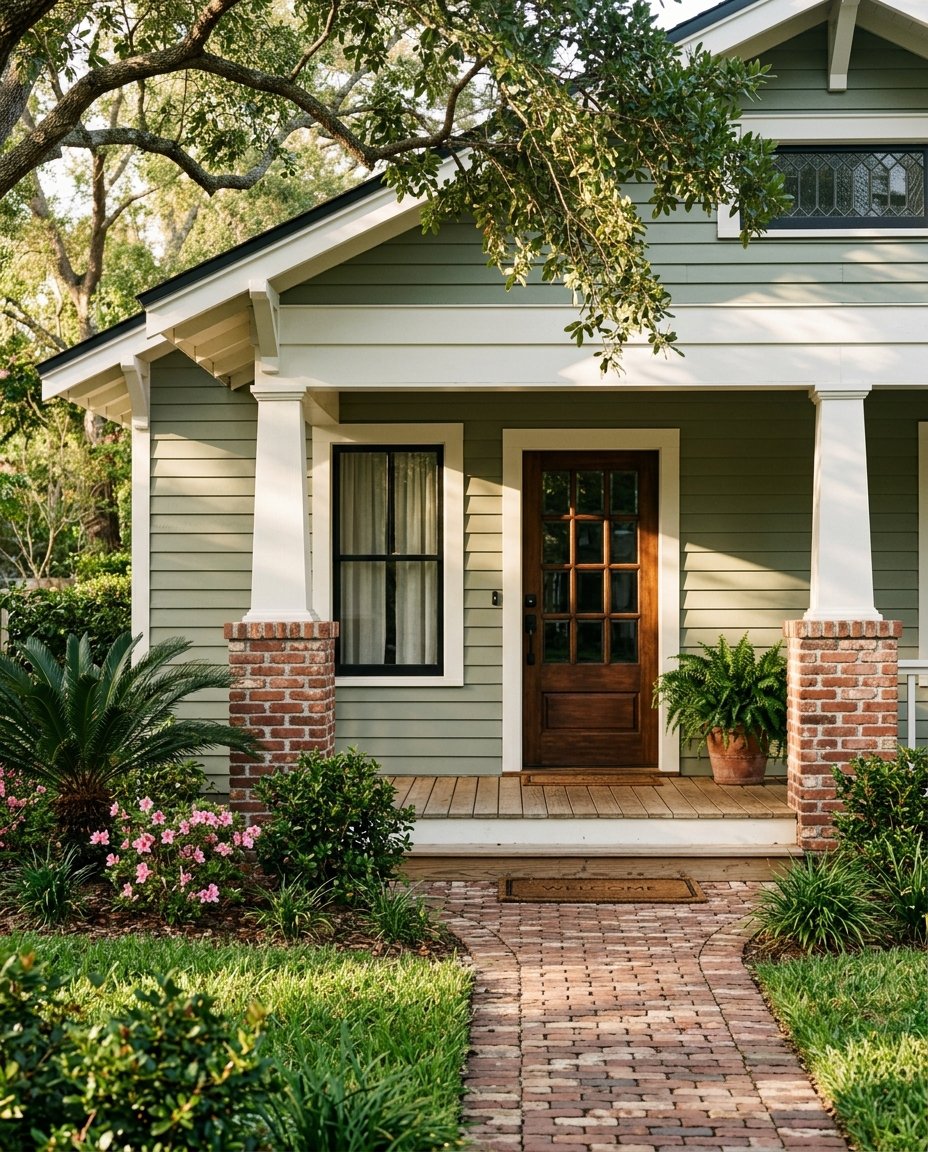
If you love older homes, Brooksville has a clear historic identity. The South Brooksville Avenue Historic District sits one block south of the courthouse and includes the 100, 300, and 400 blocks of South Brooksville Avenue.
According to the National Register nomination, most contributing homes in that district date from 1901 to 1944. Architectural influences include Queen Anne, Colonial Revival, Classical Revival, Bungalow, and Mission styles. The brick street and mature oak trees are also part of the district’s character.
The city’s downtown Community Redevelopment Area, created in 1999, covers about 250 acres. It includes frontage along Main, Liberty, Broad, Jefferson, Fort Dade, and Saxon streets, which reinforces the historic side of Brooksville as an active and visible part of the city.
Visible heritage landmarks add to that sense of place. The May-Stringer House and the Brooksville museums operated by the Hernando Historical Museum Association are well-known historic anchors in the area.
What historic homes may offer
Historic-core properties in Brooksville can vary a lot. Public listing examples show older homes on in-town lots around 8,700 to 10,200 square feet, while some properties stretch to much larger estate-style parcels, including one example at 1.92 acres.
That variety matters if you want charm but do not want to assume every older home sits on the same kind of lot. Some homes are close to downtown on compact parcels, while others offer much more room.
What to expect with preservation review
This is one of the biggest practical differences between old and new. Brooksville provides historic-preservation design guidelines and historic-structure resources that buyers should review before planning exterior changes.
If a home is in a historic district, changes to windows, porches, exterior materials, or additions may require compatibility review and a Certificate of Appropriateness. In simple terms, historic charm can come with more rules, especially if you plan to remodel the exterior.
New Construction in Brooksville: What’s on the Market
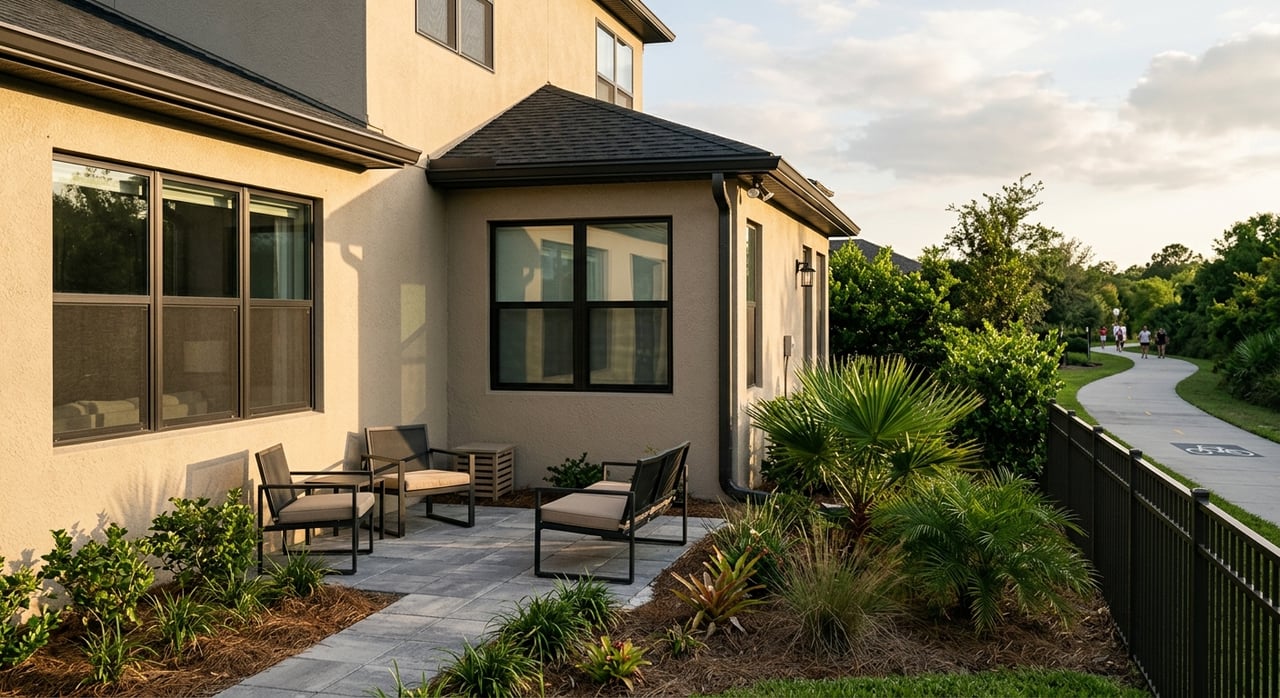
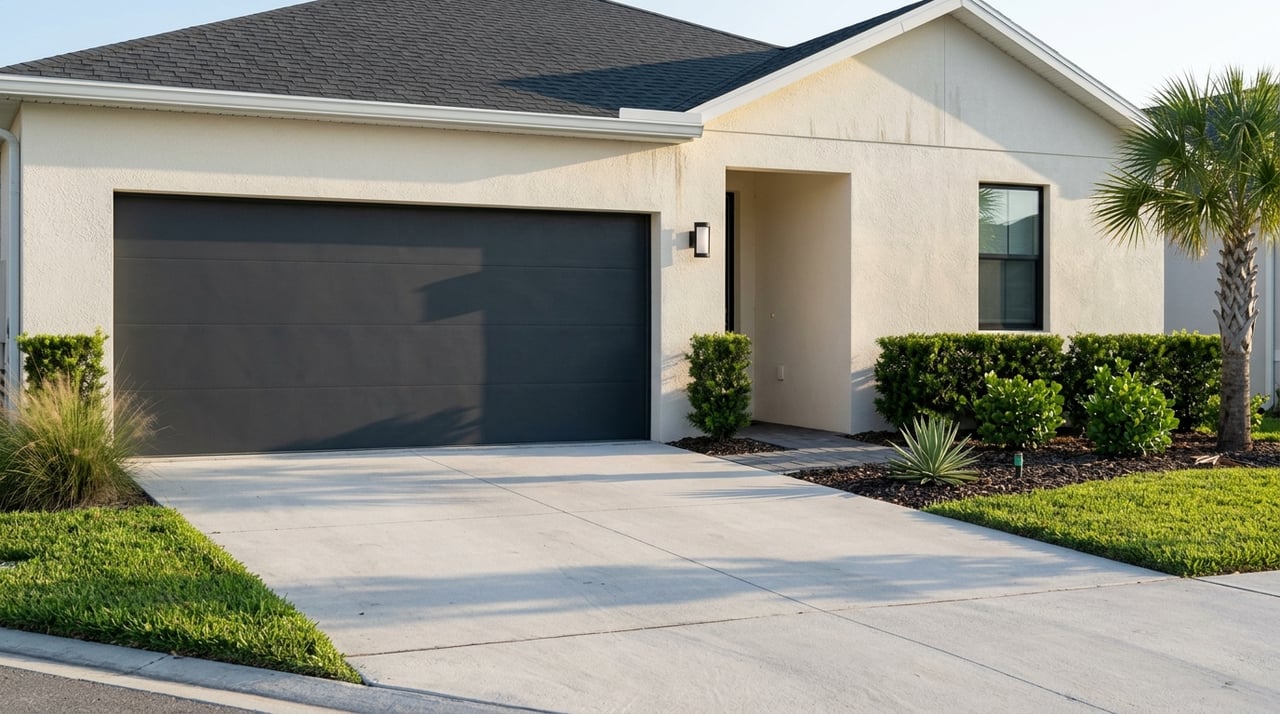
If your priority is move-in-ready living, Brooksville’s new-build options offer a very different experience. Current communities include a range of price points, home sizes, and amenity packages.
At Leyland Preserve by Meritage, published pricing starts at $259,000. Homes range from about 1,269 to 2,503 square feet, with open-concept floorplans, designer-curated finishes, a dog park, and a pond.
Benton Hills by Maronda highlights a resort-style setup with a clubhouse, fitness center, pool, trails, dog park, play lawn, and full sod and irrigation. A current home page showed a four-bedroom, 1,876-square-foot home at $319,900.
D.R. Horton communities such as Sherman Oaks and Waterford emphasize commuter access and turnkey features. Sherman Oaks highlights concrete-block construction, quartz countertops, stainless-steel appliances, smart-home technology, a dog park, and no CDD fees. Waterford is positioned between Highway 19 and the Suncoast Parkway and is described as less than 10 miles from the Gulf Coast.
At the upper end, Southern Hills Plantation offers a newer construction option with an Old Florida feel. Builder information describes gated golf-community living, a Pete Dye course, spa and fitness amenities, trails, and homes starting in the $900s and rising above $3 million, with floorplans from about 2,500 to more than 5,000 square feet.
Historic vs New Build: The Real Trade-Offs
Choosing between these two paths usually comes down to the kind of trade-offs you are comfortable making. Neither option is automatically better. The better fit depends on how you want to live.
Architecture and layout
Historic Brooksville tends to offer porches, original materials, and distinct period styles. New construction leans toward open-concept layouts, more standardized finishes, and modern features such as smart-home technology in some communities.
If you want a home with a visible architectural story, the historic core will likely feel more personal. If you want a layout built around current preferences, newer homes may feel more practical right away.
Maintenance and projects
Maintenance is often the clearest divider. Older homes may require more planning for upkeep, restoration, or future updates, especially if preservation standards apply to exterior work.
Newer homes usually come with more current systems and fewer immediate repair projects. That can make the move-in process feel more predictable, which is a big plus for many buyers.
Lot patterns and neighborhood setup
Historic areas follow a more organic pattern. Listing examples in Brooksville show everything from smaller downtown parcels to larger in-town lots and estate-style properties.
New communities are more coordinated by design. Instead of a historic street grid, you are often choosing among planned homesites tied to shared amenities such as pools, clubhouses, dog parks, ponds, sod, and irrigation.
Setting and daily feel
The historic core is tied to courthouse proximity, museums, brick streets, mature trees, and downtown redevelopment activity. It can feel rooted in civic history and long-standing street character.
New communities lean more toward convenience and amenities. Many are positioned around access to I-75, SR-50, the Veterans Expressway, Highway 19, or the Suncoast Parkway, which matters if commuting or regional access is high on your list.
Price Is Not as Simple as Old vs New
It is easy to assume historic means cheaper or new means more expensive, but Brooksville does not fit that script cleanly. A historic-core sale at 201 S Main St closed at $380,000 in March 2026.
At the same time, current new-build communities in Brooksville begin around $259,000 to $265,000 and extend into the $900s and beyond. That spread shows why age alone does not tell you enough.
Condition, location, lot size, finishes, and community features all shape value. If you are comparing options, it helps to look at the total ownership picture instead of using the home’s age as a shortcut.
Which Brooksville Option Fits You Best?
Your best fit often comes down to your comfort level with projects, your style preferences, and how you want your home search to feel.
Historic charm may fit you if:
- You love character, porches, and period architecture
- You want a home with a clear architectural story
- You are comfortable with restoration work or slower project timelines
- You are willing to check local preservation rules before making exterior changes
- You like being close to downtown landmarks and historic streetscapes
New construction may fit you if:
- You want open-concept living and updated finishes
- You prefer fewer immediate repair projects
- You like the idea of neighborhood amenities
- You want a more predictable move-in process
- You value easy access to major roads and commute routes
A hybrid option may fit you if:
- You want a newer home but still care about setting and atmosphere
- You like the idea of an Old Florida feel with modern construction
- You are looking at lifestyle-driven communities such as Southern Hills Plantation
Smart Questions to Ask Before You Decide
Before you commit to either path, a few questions can save you time and stress. Think of this as your pre-quest checklist.
Ask whether the property is in a historic district or within the downtown CRA. If it is, review whether exterior updates may need approval under local preservation guidelines.
If you are considering a new build, ask what is included in the base price. Features such as finishes, appliances, sod, irrigation, smart-home features, and community amenities can vary by builder and community.
Also compare the full ownership picture. A lower entry price does not always mean lower overall cost, and a historic home is not automatically the budget option.
If you want help sorting through Brooksville’s historic homes, new communities, or the in-between options, Jess Stone can help you weigh the real-world pros and cons and find the path that fits your life best.
FAQs
What is the South Brooksville Avenue Historic District in Brooksville?
- It is a historic district one block south of the courthouse that includes the 100, 300, and 400 blocks of South Brooksville Avenue, with many contributing homes dating from 1901 to 1944.
Do historic homes in Brooksville require review for exterior changes?
- They can. Brooksville provides historic-preservation guidelines, and homes in historic districts may need compatibility review and a Certificate of Appropriateness for some exterior changes.
What kinds of new construction communities are available in Brooksville?
- Current options include communities with open-concept floorplans, designer finishes, commuter-friendly locations, and amenities such as pools, clubhouses, dog parks, ponds, trails, sod, and irrigation.
Is a historic home in Brooksville always cheaper than a new build?
- No. Brooksville examples show overlap in pricing, so condition, lot size, location, finishes, and amenities matter as much as whether the home is old or new.
What type of buyer usually prefers historic Brooksville homes?
- Buyers who value character, civic history, and period architecture, and who are comfortable with preservation review or restoration work, often lean toward historic homes.
What type of buyer usually prefers new construction in Brooksville?
- Buyers who want modern layouts, fewer immediate repair projects, and a more predictable move-in experience often prefer new construction.